
The children’s unequal inheritance
The Florios of SicilyThis flow traces how legitimacy and gender shape the Florio children’s place within the family and their access to recognition.
increasing Bearing strength in each event
 decreasing
Bearing strength in each eventdecreasingTwo daughters in the shadows
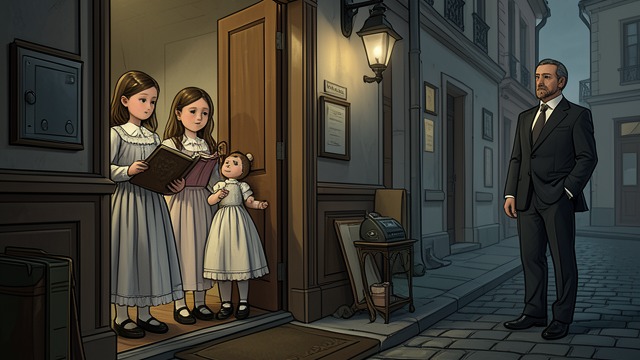
Two daughters in the shadows
Born outside marriage
Angelina Florio and Giuseppina Florio are born before Vincenzo Florio marries Giulia Portalupi. For years, they have no public acknowledgment from their father and are baptized in private.
Unequal attention
Their brother Ignazio receives education and access to business that his sisters do not. Angelina recognizes that being a boy makes him the heir in a way they cannot be.
The sisters’ experience shows how family wealth can protect children materially while leaving them exposed to stigma and unequal affection.
Marriage as an exit
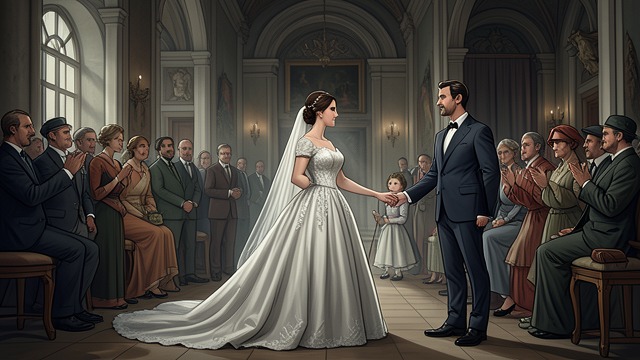
Marriage as an exit
A daughter’s complaint
Angelina Florio confronts Vincenzo over his attempts to arrange an advantageous match without preparing his daughters for social life. She understands that her brother is treated as the family’s central future.
A practical escape
Angelina marries Luigi De Pace, a respectable ship owner’s son. Her wedding is celebrated lavishly, but she admits that marriage also offers a chance to build a family of her own.
Her choice brings security and a new household, while revealing the emotional cost of growing up as a secondary presence in the Florio family.
An heir’s burden

An heir’s burden
Educated for succession
Ignazio Florio receives languages, social training, and access to commercial work as the expected heir. His father presents inherited wealth as an opportunity to gain the acceptance he himself was denied.
Duty over desire
As a young man, Ignazio chooses responsibility to his parents and Casa Florio over the woman he loves. He later marries Giovanna d’Ondes, a suitable aristocratic match.
The succession secures the family’s social strategy, but it costs the heir a personal future shaped by love rather than obligation.
1830s
Early 1850s
1840s to 1860s
